Office of Human Trafficking and Domestic Violence (HTDV)
Recognizing Human Trafficking
You can click the ESC key to leave this page, or click GO at the bottom of this page.
Recognizing Human Trafficking: What You Need to Know
Human trafficking is a serious crime where people are exploited through force, fraud, or coercion. It can happen anywhere — in cities, suburbs, and rural areas -- and often goes unnoticed. Knowing the signs can help save lives. Below are simple steps to help you identify possible trafficking and what to do if you suspect it.
Steps to Identify Human Trafficking
1. Look for red flags in behavior or appearance:
- Someone seems fearful, anxious, or submissive.
- They avoid eye contact or seem to be under someone else's control.
- They don’t have control of their own ID or money.
2. Notice signs in work or living conditions:
- They work long hours with little or no pay.
- They live where they work or in poor conditions.
- They are not allowed to speak for themselves.
3. Watch for signs in travel or movement:
- They are not allowed to leave or move freely.
- Someone else speaks for them or answers all questions.
- They don’t know what city they’re in or where they’re going.
4. Pay attention to how they interact with others:
- They seem isolated or are rarely alone.
- They are closely monitored by someone else.
- They show signs of abuse or neglect.
What is Human Trafficking -- https://youtu.be/35uM5VMrZas?si=UWe5ndyseVgYR667
What to Do If You Suspect Human Trafficking
- Do not confront the suspected trafficker. This could put the victim and yourself in danger.
- Call the National Human Trafficking Hotline at 1-888-373-7888 or text “HELP” to 233733 (BEFREE).
- If someone is in immediate danger, call 911.
- Report tips anonymously through the hotline or online.
PSA Videos
- Human Trafficking - https://youtu.be/vEsXpgDnDJc?si=eYEEMCOrwwX9agDR
- Labor Trafficking - https://youtu.be/HA6pxNTHpPg?si=fXoZjdMzJwRfbfha
- Domestic Servitude - https://www.youtube.com/watch?v=1Kz2uUqy2D4
- Sex Trafficking - https://youtu.be/vR01GnYocM0?si=rbr47QLzWZsiuMYj
For assistance, please see our Survivor Resources page for help or long-term support.
Contact Dept. of Neighborhoods
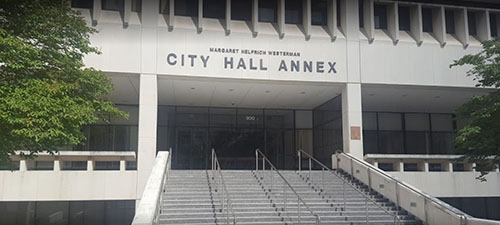 City Hall Annex
900 Bagby, Public Level
Houston, TX 77002

The Department of Neighborhoods has five divisions that help neighbors resolve neighborhood concerns. Together, we help improve the quality of life in Houston neighborhoods through people-focused programs and strong community partnerships.


