Office of Human Trafficking and Domestic Violence (HTDV)
Recognizing/Understanding Domestic Violence
You can click the ESC key to leave this page, or click GO at the bottom of this page.
Domestic violence is a pattern of abusive behavior used by one person to gain or maintain control over another in a relationship. It can happen to anyone -- regardless of age, gender, or background. Abuse isn’t always physical; it can also be emotional, verbal, financial, or psychological. Knowing the signs can help protect yourself or someone else. Below are simple steps to recognize abuse and what to do if you or someone you know needs help.
Signs of Domestic Violence
1. Emotional or Verbal Abuse
- Constant criticism, name-calling, or humiliation
- Blaming you for everything
- Controlling who you see, where you go, or what you do
2. Physical Abuse
- Hitting, slapping, pushing, or choking
- Destroying property or threatening to hurt you or others
- Preventing you from getting medical help
3. Financial Abuse
- Controlling all the money or not allowing you to work
- Taking your paycheck or limiting access to bank accounts
- Forcing you to account for every penny spent
4. Psychological Abuse
- Intimidation, threats, or stalking
- Isolating you from friends and family
- Making you feel like you’re “crazy” or worthless
What to Do If You Suspect Abuse
- If you are in immediate danger, call 911.
- Reach out to a trusted friend, family member, or counselor.
- Call the National Domestic Violence Hotline at 1-800-799-SAFE (7233) or text “START” to 88788.
- Create a safety plan if you’re thinking about leaving -- many organizations can help you do this safely and privately.
Go to https://www.thehotline.org/
For assistance, please see our Survivor Resources page for help or long-term support.
Contact Dept. of Neighborhoods
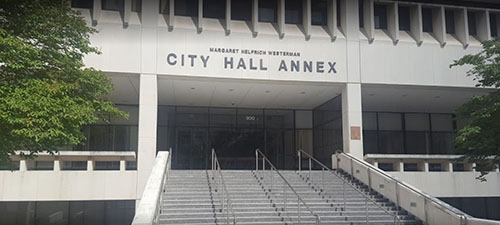 City Hall Annex
900 Bagby, Public Level
Houston, TX 77002

The Department of Neighborhoods has five divisions that help neighbors resolve neighborhood concerns. Together, we help improve the quality of life in Houston neighborhoods through people-focused programs and strong community partnerships.


